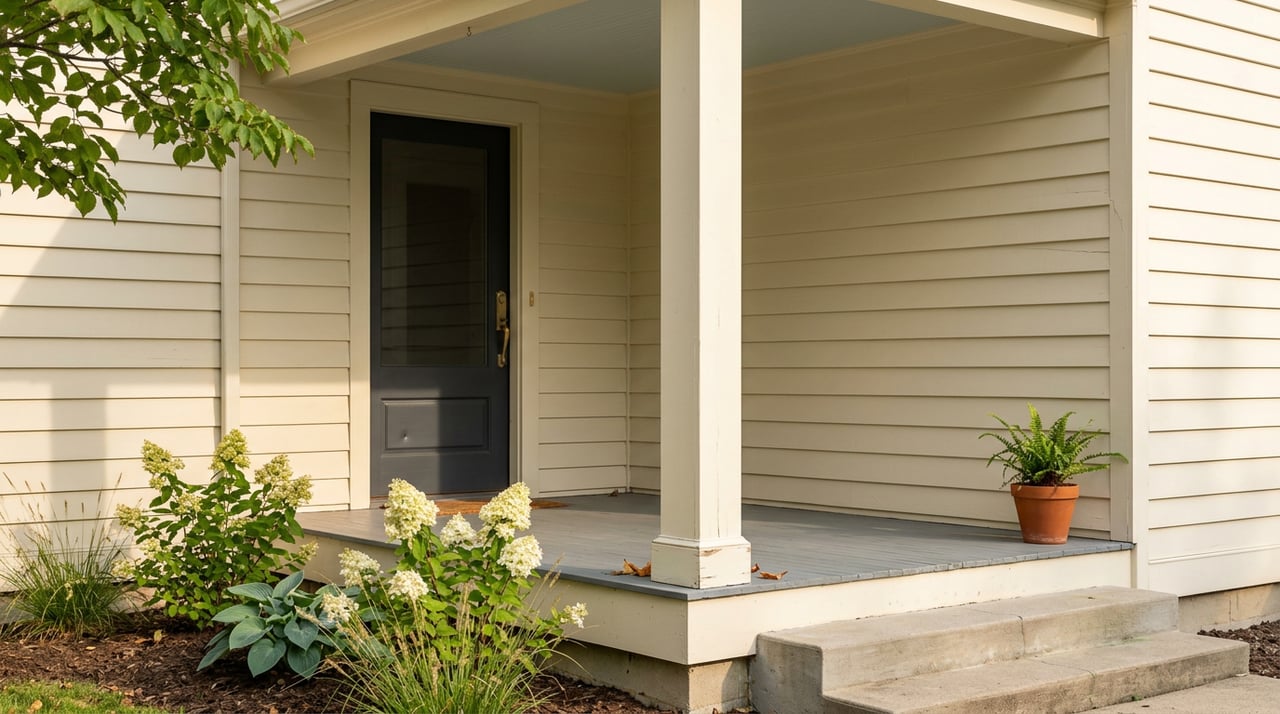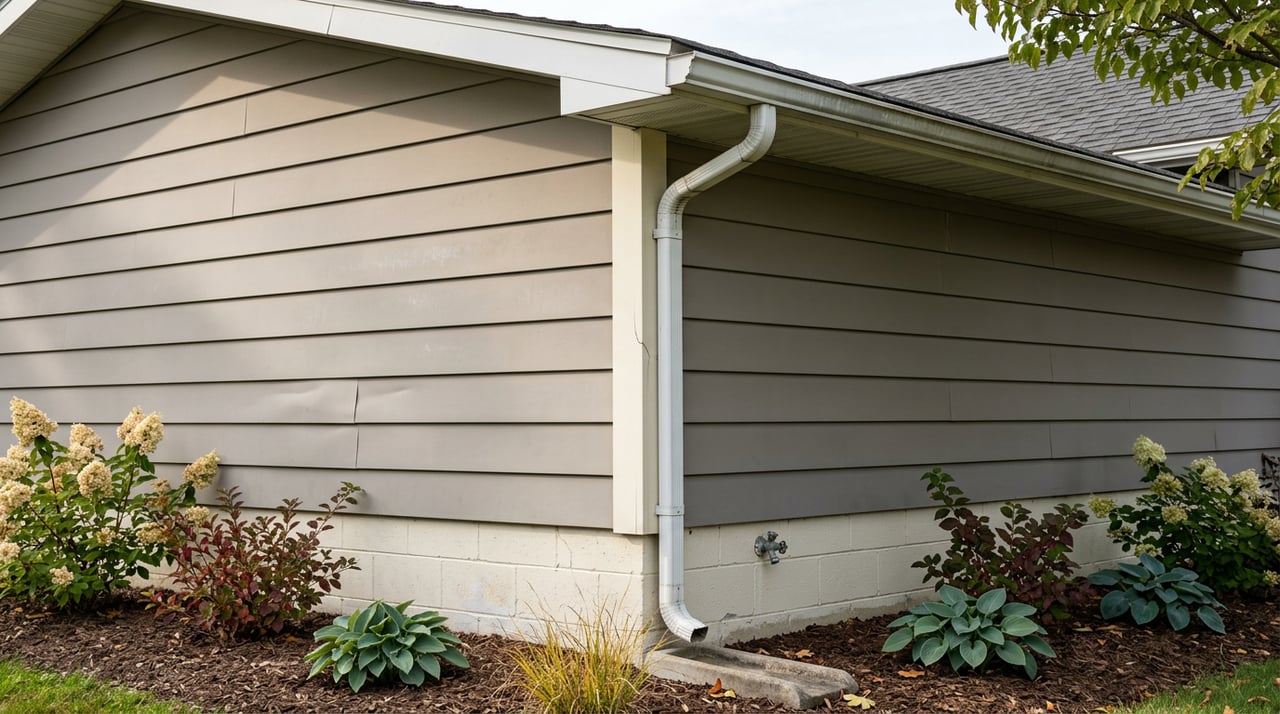
The median sale price in New Martinsville sat around $162,500 over the trailing twelve months as of January 2026, up about 5% from the prior twelve, and homes were taking 63 days on market to move. Those numbers are easy to find on the portals. What the portals do not tell you is that West Virginia does not require a seller to hand you a comprehensive disclosure form before you sign. In this state, the inspection is not a formality that confirms what the seller already told you. It is the primary document that tells you what you are buying.
That is the mechanism that decides whether your closing goes smoothly or turns into a two-week renegotiation.
The disclosure rule that changes the whole diligence period
West Virginia operates under caveat emptor. The state's disclosure statute, WV Code §36-12, was signed into effect on November 1, 1999 and structured very narrowly compared to disclosure regimes in neighboring states. Under the statute, a seller of one-to-four-family residential property must disclose known material defects on a form prepared by the West Virginia Attorney General's Office of Consumer Protection, and the buyer may waive that right. The categories the statute covers read like an inspection checklist in reverse: water, sewer and septic systems; access to the property; structural systems including roof, foundation, basement, rooms, walls and floors; plumbing, electrical, heating, air conditioning and wood-burning systems; termites and other infestations; underground storage tanks and hazardous materials including asbestos, lead-based paint and radon; flooding; and water or sewage seepage.
Two things follow. First, sellers are not required to investigate their own property. The seller is not required to undertake or provide any independent investigation or inspection of the property in order to make the disclosures. If they do not know, they do not have to say. Second, a real estate licensee still owes a separate duty to disclose material facts they personally know, and active concealment (painting over water stains, hiding a wet basement) is still fraud regardless of what form was or was not signed.
For the buyer, this means the inspection line item on your settlement statement is doing more work than it does in most states. In Virginia or Ohio you can cross-check the inspector's findings against a mandatory seller form. In New Martinsville, the inspector's report often is the disclosure.
What a West Virginia inspection is, and what it isn't
The scope of the report is narrower than most first-time buyers assume. Under the West Virginia Home Inspection Standards of Practice, an inspector is required to inspect readily accessible, installed systems and components of a residential dwelling, perform the inspection visually and non-invasively, and provide a written report documenting observed conditions at the time of the inspection. Nothing more.
Practically, that carries three consequences worth writing on the back of your offer sheet:
| What the SOP covers | What the SOP does not cover |
|---|---|
| Visible structure, roof, exterior, plumbing, electrical, HVAC, insulation, ventilation, and interior components | Hidden or concealed defects, latent conditions not visible on the day, and future performance |
| Observed conditions on the day of inspection | Anything that requires specialized equipment or testing unless separately ordered |
| A written report referring you to specialists where warranted | Valuations, code compliance opinions, or repair prescriptions |
If you want radon, sewer scope, well flow, septic dye test, or a Level 2 chimney inspection, you have to ask for them and pay for them. Skipping them to save a few hundred dollars in a market where the median sale sits in the mid-$160s is the single most expensive shortcut buyers take here.
Radon is not an optional add-on in Wetzel County
The EPA classifies Wetzel County in Radon Zone 1, the highest-risk designation. A Zone 1 assignment predicts an average indoor radon screening level greater than 4 pCi/L, which is above the recommended EPA action level. Neighboring Marshall and Ohio counties are also Zone 1. Tyler, Wood and Pleasants are Zone 2. In practice, when your inspector opens the crawlspace door and it smells like old dirt, you already know why the radon canister matters.
The federal action level is 4 pCi/L, with EPA recommending you consider mitigation between 2 and 4 pCi/L. A passive radon test runs a few days and adds a modest fee to the inspection. A mitigation system, if the reading comes back high, typically runs a few thousand dollars, which is real money against a $160,000 to $190,000 purchase price. It is also a repair a seller will often absorb during the option period rather than watch the deal fall apart.
The West Virginia disclosure categories in §36-12 name radon explicitly, but remember what the statute actually requires: only what the seller knows. If the home has never been tested, the seller cannot disclose a number. That silence is not evasion. It is the statute working as written, and it is your cue to order the test.
The pre-1978 rule that overrides caveat emptor
Downtown New Martinsville and the older north-end streets are heavy on pre-1978 housing stock. That triggers federal Title X, the Residential Lead-Based Paint Hazard Reduction Act of 1992, which applies in every state regardless of what the state disclosure regime says. If the home was built before 1978, the seller must disclose any known lead-based paint or lead-based paint hazards, provide the EPA pamphlet "Protect Your Family From Lead in Your Home," offer the buyer a 10-day window to conduct lead-based paint testing, and include a lead-warning statement in the contract signed by both parties.
The 10-day window is a right, not a suggestion. If your lender is FHA or you are pursuing any renovation loan product where lead paint is a condition of approval, you want the paint chip test done inside that window, not after.
The single most common mistake New Martinsville buyers make is treating the federal lead disclosure as paperwork. It is a testing window. Use it.
The terrain findings that catch out-of-area buyers off guard
A working summary of what the inspection industry actually flags on West Virginia homes: foundation settlement on sloped terrain, basement and crawlspace moisture intrusion, aging electrical and plumbing systems, roof wear from heavy rain and snow, and heating system strain during cold winters. In outlying parcels above town, add private wells, septic systems, and propane or oil heating tanks to the list.
Translated to what you should ask your inspector to spend extra time on in New Martinsville specifically:
- Foundations on a slope. Homes stepping up from the river toward the ridge experience differential settlement and retaining-wall stress. Ask for photos of every foundation corner, not just the exposed face.
- Crawlspaces and stone basements. Older masonry foundations often show efflorescence and past moisture staining. The question is not whether there was moisture, it is whether it is active now.
- Aluminum branch wiring and 60-amp panels. Common in mid-century stock. Not automatically a deal-killer, but insurance carriers will ask, and the fix is on the buyer's ledger post-closing.
- Buried oil tanks. If the home was ever heated with oil, the tank may still be underground. §36-12 lists underground storage tanks as a disclosure category for a reason.
- Well and septic on rural parcels. These are outside the standard SOP. Order separate evaluations.
- Chimneys and wood-burning systems. The statute names them; the standard visual inspection barely touches them. A Level 2 chimney inspection costs a few hundred dollars and answers the question.
Every one of these items maps to a category the statute expects the seller to disclose if known. The buyer who assumes the silence means "no problem" is the buyer who calls their agent three weeks after closing.
For sellers, voluntary disclosure is a pricing tool
Sellers sometimes read caveat emptor as permission to say nothing. That is legally defensible and strategically weak. In a market where homes are averaging 63 days on market against a national average around 53, and where cash buyers make up a meaningful share of transactions, the sellers who close cleanly and at price are almost always the ones who filled out a voluntary disclosure and priced accordingly.
Two reasons. First, a completed disclosure narrows the buyer's inspection response. The buyer cannot come back with a $6,000 credit request over a roof issue you already flagged and priced for. Second, voluntary disclosure shortens the statute of limitations conversation. Post-closing disclosure claims typically run two years from discovery. Written disclosure of what you knew, on the WV Attorney General's form or the WV REALTORS voluntary form, is the cleanest defense against a claim you concealed something.
A pre-listing inspection, on a home built before 1980 in this town, will pay for itself more often than not.
A short FAQ
Is a home inspection legally required in West Virginia? No. It is not required by the state, and the seller is not required to provide one. Inspections are strongly recommended due to the state's older housing stock, mountainous terrain, rural infrastructure, and moisture-related risks. Most lenders will require one before mortgage approval regardless.
How do I confirm my inspector is licensed in West Virginia? The State Fire Marshal maintains a current roster of licensed West Virginia home inspectors, updated periodically through the Regulatory and Licensing Division. Check that the license number and expiration date on the inspector's report match the roster.
What is the difference between the WV Attorney General disclosure form and the WV REALTORS form? The Attorney General's Office of Consumer Protection prepares the statutory form referenced in §36-12. The West Virginia Association of REALTORS distributes a voluntary Residential Property Disclosure Statement that many local transactions use by default. Both cover substantially the same categories. Neither is a substitute for a professional inspection.
Can I waive the inspection to strengthen my offer? You can, and buyers occasionally do in competitive situations. In a market with older stock, hillside foundations, Zone 1 radon exposure, and a narrow disclosure regime, waiving inspection is a decision with real financial tail. If the seller pushes for a waived contingency, an informational inspection (no renegotiation right) is a middle path.
If you are under contract on a home in New Martinsville, or thinking about listing one, Pathway Real Estate Professionals can walk you through what to order at inspection, how to read the report against WV disclosure law, and where the negotiation actually happens. Get a Free Home Valuation to start the conversation.