Buying your first investment property in New Martinsville can look simple on paper. Lower home values and modest rents may seem like an easy entry point, but small-market rentals come with their own rules, risks, and planning needs. If you want to invest with fewer surprises, it helps to understand the local housing stock, vacancy realities, repair issues, and landlord basics before you buy. Let’s dive in.
Why New Martinsville Appeals to Investors
New Martinsville is the county seat of Wetzel County and sits along the Ohio River, giving it a small-town market profile with local demand drivers and a housing mix that looks very different from larger metro areas. The city’s population estimate was 5,038 as of July 1, 2024, and Wetzel County’s July 1, 2025 population estimate was 13,734, according to city and Census data and Wetzel County QuickFacts.
For many first-time investors, the appeal starts with price point. Census QuickFacts show a median owner-occupied home value of $128,300 in New Martinsville and $107,900 in Wetzel County, while median gross rent is $688 in both areas. That can create a more approachable entry point than higher-cost markets, but it also means you should be realistic about income potential.
Start With Conservative Numbers
This is not the kind of market where you want to underwrite based on aggressive rent growth. Wetzel County’s population has declined 5.0% from the 2020 base to the July 1, 2025 estimate, based on U.S. Census data. In practical terms, that means you should avoid assuming fast appreciation, instant lease-up, or easy rent increases.
A better approach is to build your numbers around today’s realities. Median gross rent is $688, and county median household income is $56,836, according to QuickFacts. In a modest-rent market, one major repair or one extra month of vacancy can change your annual return quickly.
Before you buy, make sure your estimate includes:
- Mortgage payment
- Property taxes and insurance
- Vacancy allowance
- Repairs and maintenance
- Make-ready costs between tenants
- Utilities you may need to cover
- Property management, if you want support
Expect Mostly Single-Family Properties
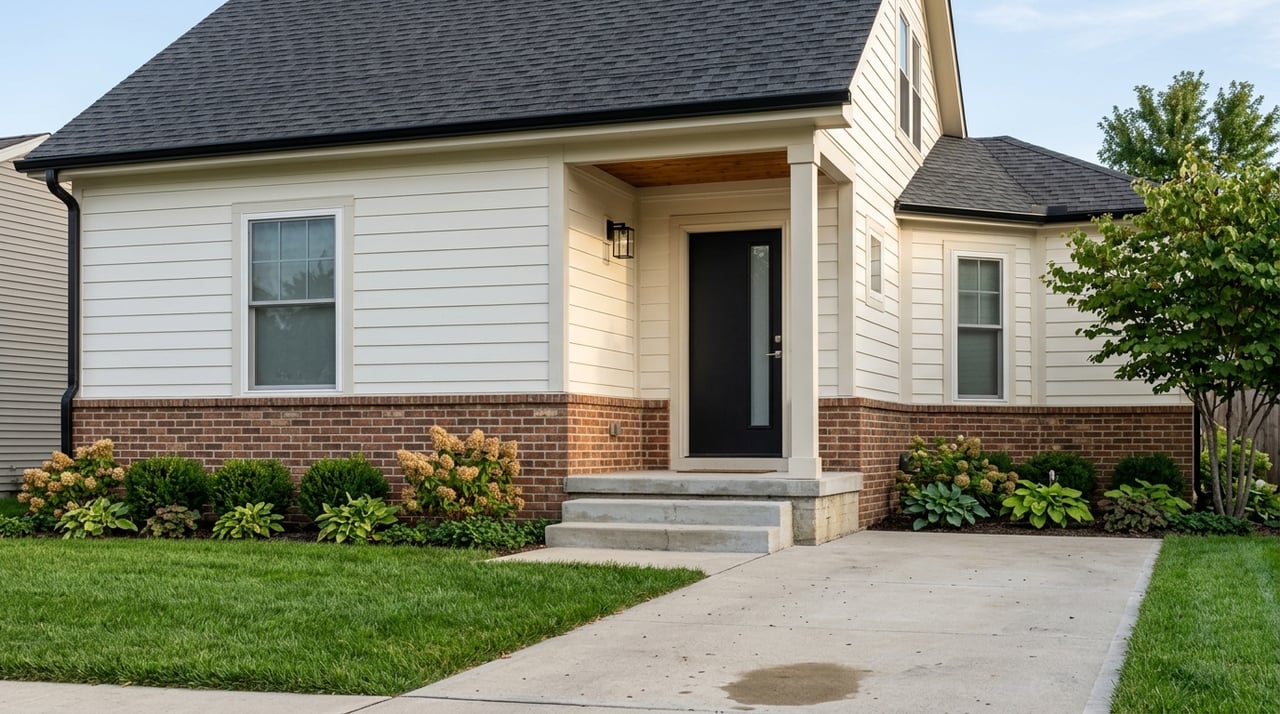
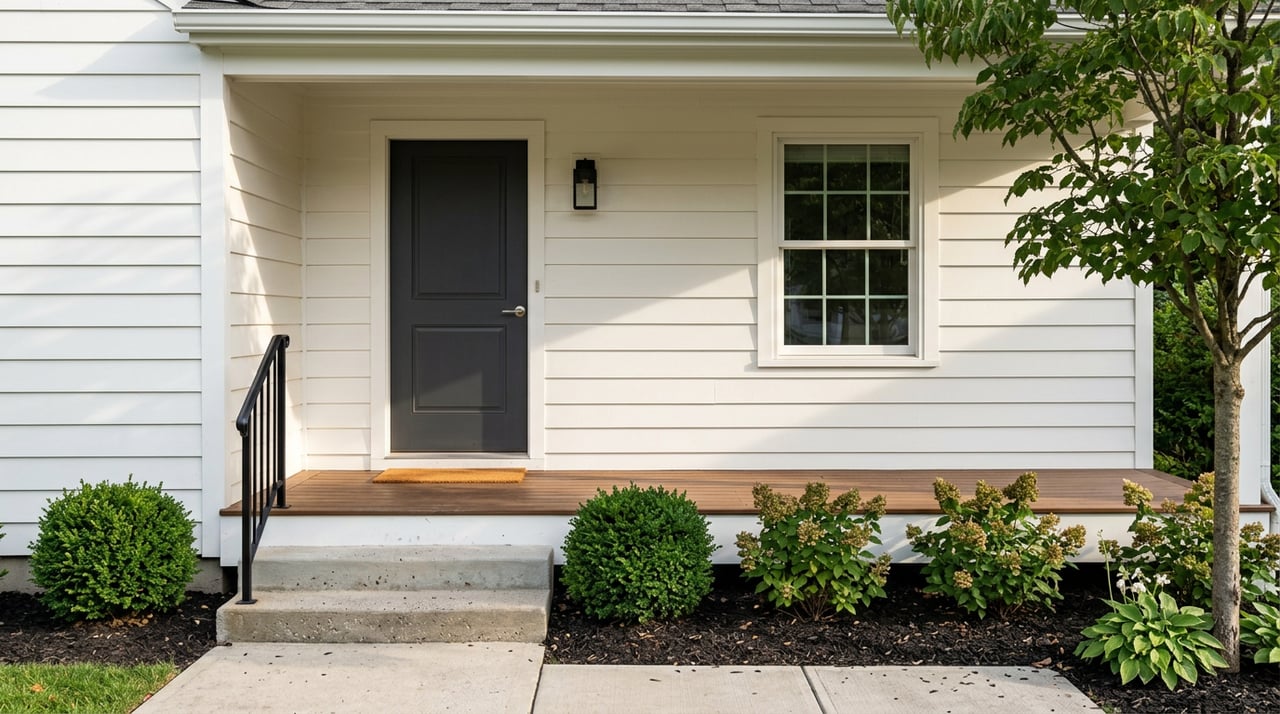
If you are picturing a market full of apartment buildings, New Martinsville and Wetzel County may surprise you. The county housing profile shows that 71.3% of housing units are 1-unit detached homes, while 15.9% are mobile homes, based on the Wetzel County housing profile from WVU.
That matters because your most likely options may be stand-alone houses, small conversions, or manufactured housing rather than large multifamily properties. For many small investors, that can be a good fit because these property types are easier to understand. Still, they often come with more individual maintenance responsibility, especially when each home has its own roof, systems, and utilities.
Older Homes Need Closer Inspection
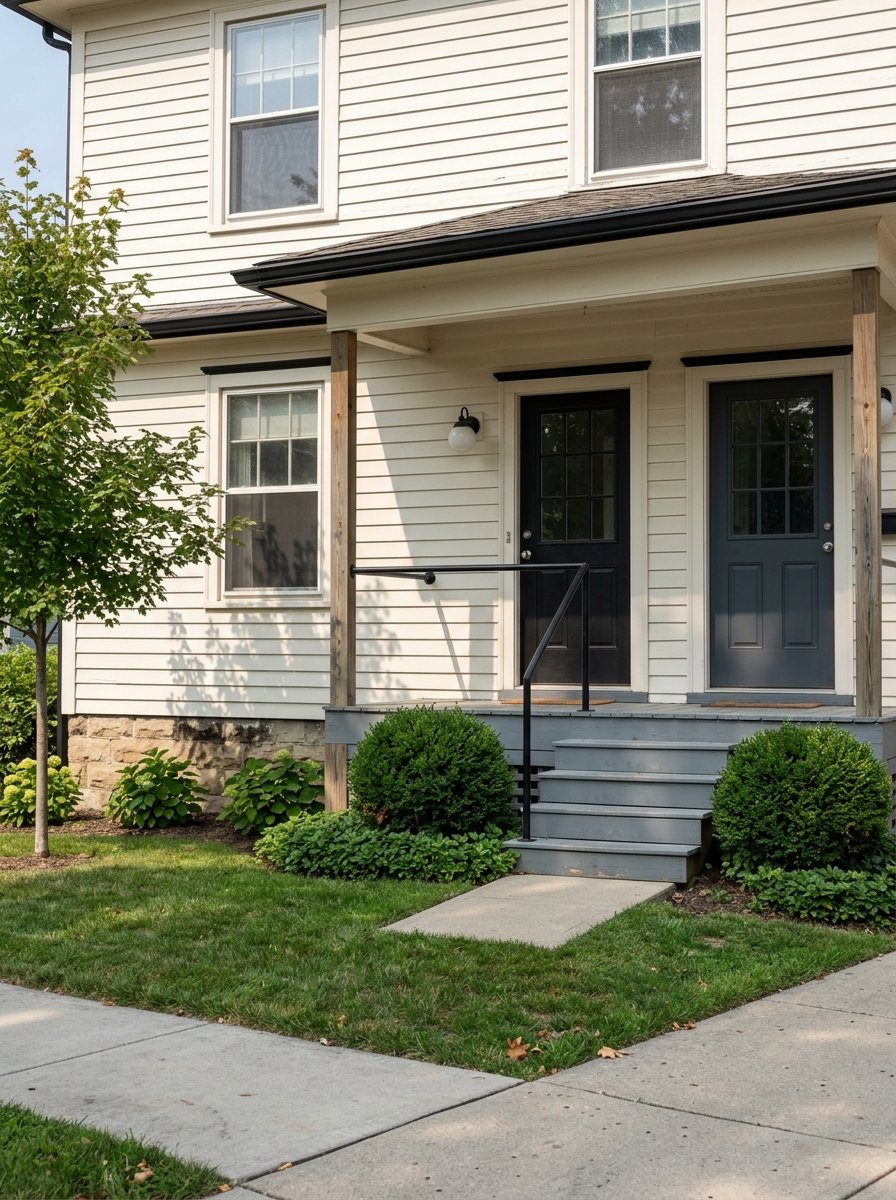
One of the biggest basics to understand in this market is age. According to the county housing profile, 23.0% of housing units were built in 1939 or earlier, with another 7.6% built in the 1940s and 11.6% built in the 1950s.
For you, that means an attractive purchase price may come with hidden costs. Older homes can need updates to roofing, windows, plumbing, electrical systems, and insulation. If your investment plan only works when nothing goes wrong, you may be taking on more risk than you realize.
When reviewing a property, pay close attention to:
- Roof age and visible wear
- Electrical panel and wiring condition
- Plumbing lines and drainage issues
- Window condition and energy efficiency
- Foundation movement or moisture concerns
- Insulation levels and heating performance
Heating Systems Matter More Than You Think
In Wetzel County, heating fuel is not a minor detail. The county profile shows 72.3% of occupied units use utility gas as the main heating fuel, followed by 18.2% using electricity and 5.6% using wood, according to the same WVU housing profile.
Because many properties are older, heating system condition should be part of your due diligence. A home that needs furnace work or has inefficient heating can create higher costs, more tenant complaints, and potential habitability issues during colder months. Before closing, make sure you understand not just whether the system works today, but whether it is likely to hold up after move-in.
Budget for Vacancy From Day One
Vacancy is one of the easiest costs for new investors to underestimate. The most detailed official local snapshot available in the research shows Wetzel County with 70.6% occupied housing, 29.4% vacant housing, a 1.5% homeowner vacancy rate, and a 5.9% rental vacancy rate, according to the ACS-based county profile. Because that dataset is older, it works best as a directional signal rather than a precise current count.
The main takeaway is simple: do not build a deal around perfect occupancy. In a smaller market with modest rents, one extra vacant month can have a big effect on your yearly cash flow. You should budget for turnover, cleaning, repairs, and marketing time before the next lease begins.
A basic vacancy plan should include:
- At least one vacancy allowance in your annual budget
- Time for repairs after a move-out
- Cleaning and basic refresh costs
- Leasing or advertising time
- A cash reserve for gaps in rent
Know the Landlord Basics in West Virginia
Before you become a landlord, it helps to know that state law sets minimum responsibilities. Under West Virginia Code §37-6-30, landlords must deliver residential property in fit and habitable condition and maintain it to applicable health, safety, fire, and housing codes. The law also addresses common areas in multifamily settings and requires running water, hot water, and reasonable heat from October 1 through the last day of April.
This is why deferred maintenance is not just an inconvenience. It can become a compliance issue. If you buy an older property, make sure your rehab budget accounts for essential systems and safety items, not just cosmetic improvements.
Understand Security Deposit Rules
Security deposits are another area where details matter. Under West Virginia Code §37-6A-2, a landlord may apply a security deposit to unpaid rent, tenant-caused damage beyond normal wear and tear, unpaid utilities, storage or removal costs, and certain lease-based charges.
The law also outlines notice and itemization requirements when damages exceed the deposit and outside contractors are involved. For you, the practical lesson is to keep strong records. Clear lease terms, move-in documentation, photos, receipts, and timely written communication can make a big difference if a dispute comes up later.
Plan for Permits During Rehab
If you are buying a fixer-upper, do not treat permits as a last-minute issue. The New Martinsville City Hall page states that the city handles building permits, city licenses, and municipal utilities, and its building department notes that construction, alterations, additions, and most electrical, plumbing, or mechanical work require permits.
That matters for your timeline and your budget. Even a small rehab can take longer if permit approvals, inspections, or utility coordination are needed. When you are estimating holding costs, include enough room for that process.
When Property Management Makes Sense
Some investors want to self-manage, and in certain situations that can work. But in New Martinsville, professional management may be especially useful if you live out of town, own an older property, or simply want help keeping up with leasing, maintenance coordination, and documentation.
That lines up with what many small landlords actually need in this market. Older homes often create more maintenance decisions, and a smaller rental market can make occupancy planning more important. If you want support with rentals and day-to-day management, Tylor Chichick and the Pathway Realty Group team offer local guidance across real estate, rentals, and property management in the Ohio Valley.
A Simple Investment Checklist
If you are evaluating your first rental in New Martinsville, use this short checklist before making an offer:
- Confirm realistic rent using local market context
- Budget for vacancy and turnover
- Inspect major systems closely, especially heat, roof, plumbing, and electrical
- Review likely rehab needs tied to older housing stock
- Check whether planned work will require permits
- Understand your basic landlord responsibilities under West Virginia law
- Decide whether you will self-manage or hire property management
- Keep extra cash reserves for repairs and lease-up time
A good deal in this market is usually not the flashiest property. It is the one that still works when you use careful numbers, realistic timelines, and a solid repair budget.
If you are thinking about buying your first rental or adding another income property in Wetzel County, local guidance can help you avoid costly assumptions. Connect with Tylor Chichick to talk through available properties, rental considerations, and whether professional property management fits your goals.
FAQs
What types of investment properties are most common in New Martinsville?
- In Wetzel County, the housing stock is mostly 1-unit detached homes, with mobile homes making up another notable share, so small investors are more likely to encounter single-family homes and similar property types than large apartment buildings.
What should you budget for when buying a rental in New Martinsville?
- You should budget for the mortgage, taxes, insurance, repairs, vacancy, make-ready costs, possible utilities, and any property management fees, because modest local rents leave less room for surprises.
Why do older homes matter for New Martinsville investors?
- A large share of Wetzel County housing was built before 1960, which can increase the chance of deferred maintenance involving roofs, windows, plumbing, electrical systems, insulation, and heating equipment.
What are basic West Virginia landlord responsibilities for rental property owners?
- Landlords must provide property in fit and habitable condition, maintain it to applicable codes, and provide essentials such as running water, hot water, and reasonable heat during the required season under state law.
Do rehab projects in New Martinsville require permits?
- Many do, because the city states that construction, alterations, additions, and most electrical, plumbing, or mechanical work require permits through the local building department.
When should you consider property management for a New Martinsville rental?
- Property management may be a strong fit if you live outside the area, own an older home, want help reducing vacancy, or prefer support with tenant communication, maintenance coordination, and documentation.