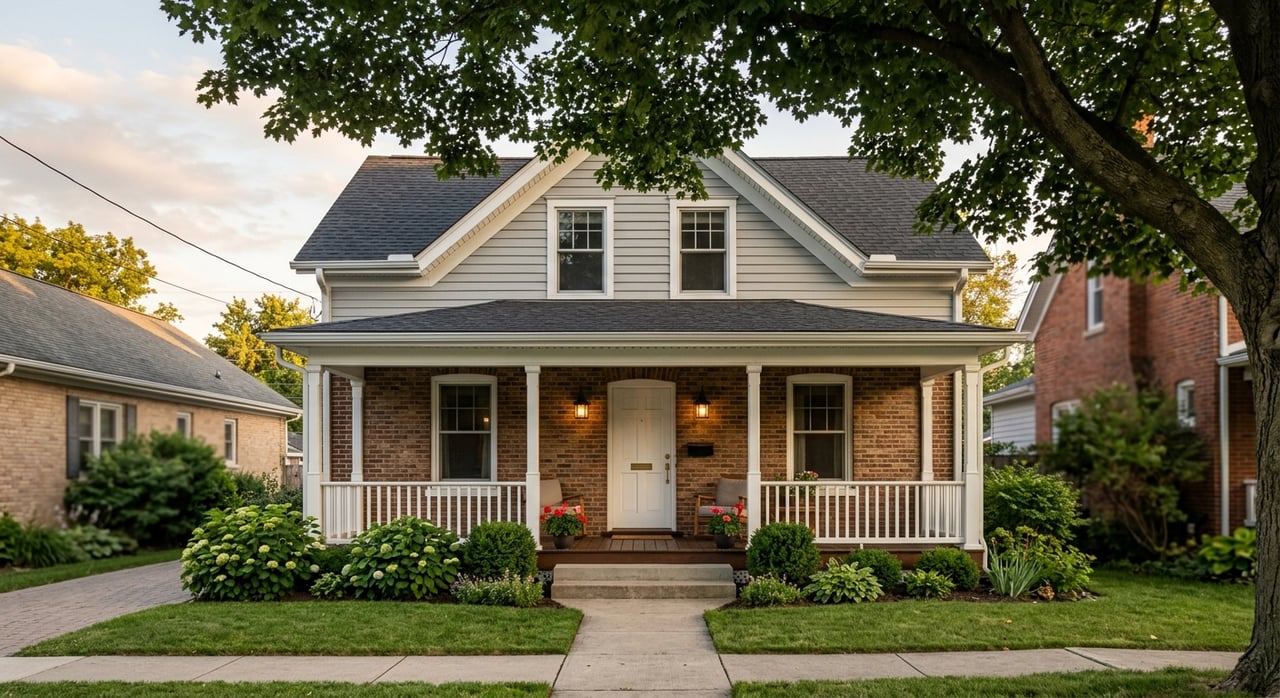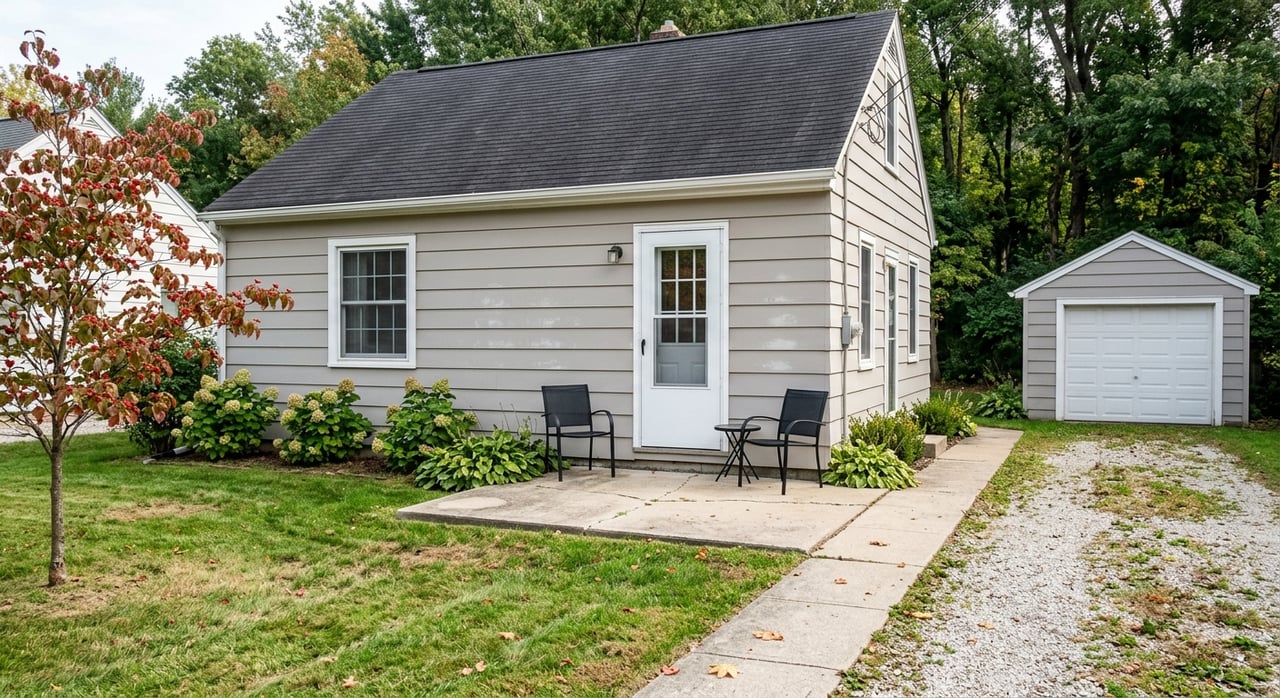
A fixer-upper can look like a smart deal at first glance, but in Paden City, the real question is bigger than the list price. You want to know what the home needs, what the work will cost, and whether local rules could affect your plans. If you are thinking about buying a fixer-upper home in Paden City, this guide will help you look at the right details before you commit. Let’s dive in.
Why fixer-uppers work for some buyers
A fixer-upper can make sense if you are comfortable trading convenience for potential savings and sweat equity. You may be able to buy at a lower price point and improve the home over time instead of paying for someone else’s updates upfront.
That said, a lower purchase price does not always mean a lower total cost. If the house needs major work right away, your budget can tighten quickly after closing. That is why it helps to think beyond the asking price from day one.
Why Paden City due diligence matters
Paden City has a local factor that buyers should not ignore. The city straddles Tyler and Wetzel Counties, so parcel-level due diligence may require checking city records along with county offices depending on the property.
That matters even more when you are buying a home that needs work. Local rules in Paden City address areas like building permits, dangerous or unsafe buildings, flood plain standards, construction, repair, alteration, and damaged structures. In simple terms, your renovation plan may involve more than design choices and contractor bids.
If your project goes beyond cosmetic work, permit questions should be part of your planning early. Major exterior changes, additions, outbuildings, and structural repairs are more likely to trigger review than updates like paint or flooring.
Start with the right inspection mindset
A home inspection is one of the most important steps when buying a fixer-upper. A standard inspection is an objective review of the home’s visible structure and systems, including areas such as the roof, foundation, plumbing, electrical, HVAC, walls, floors, windows, doors, attic, basement, and insulation.
A typical single-family inspection usually takes about 2 to 4 hours. The goal is not to give the home a pass-or-fail grade. Instead, the inspection helps you understand the home’s current condition and identify components that may need major repair or replacement.
This distinction matters in Paden City. An inspection does not verify local code compliance, and it does not replace permit or floodplain review. It is one part of your decision, not the whole picture.
Focus on the costly repair categories
With older homes, some issues tend to carry higher repair risk than others. In many fixer-upper situations, the big-ticket items are not the cosmetic finishes. They are the problems that affect the home’s structure, safety, and daily function.
When reviewing a Paden City fixer-upper, pay close attention to:
- Roof condition and flashing
- Gutters, grading, and drainage
- Basement moisture or water intrusion
- Foundation movement or structural concerns
- Plumbing age and condition
- Electrical capacity and wiring issues
- HVAC age, service history, and performance
- Safety items such as smoke alarms and carbon monoxide detectors
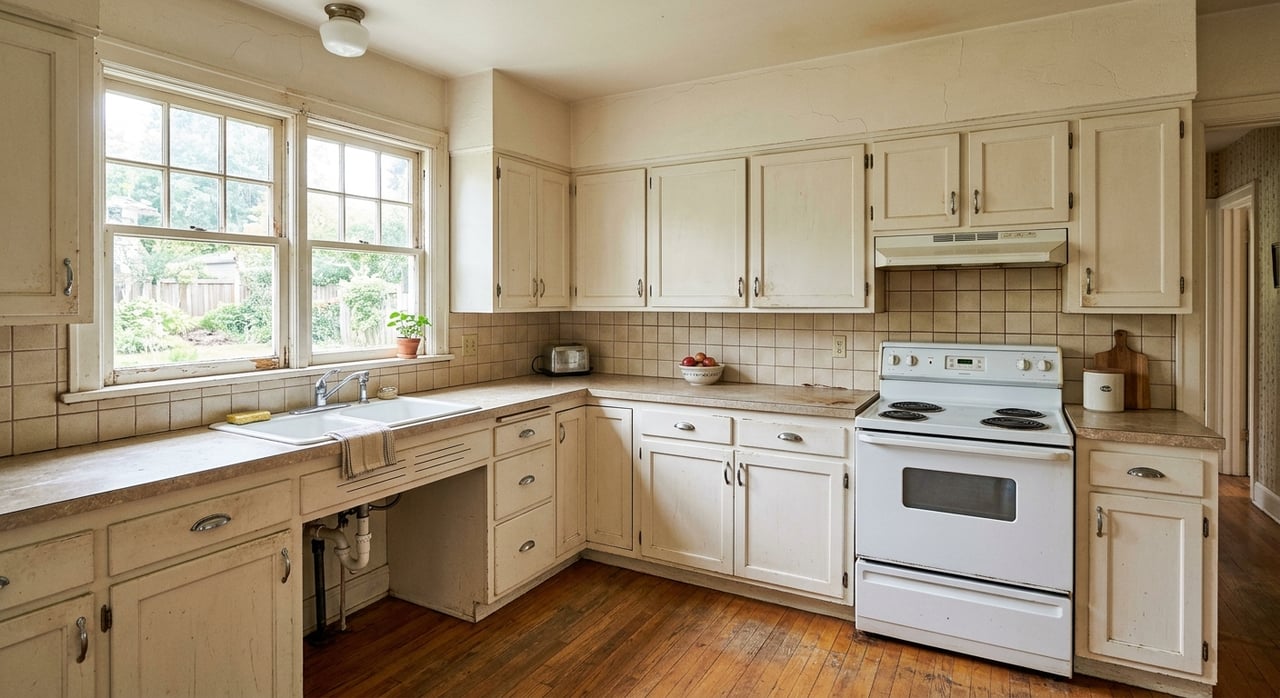
These categories matter because they can drive both your renovation budget and your move-in timeline. A dated kitchen is often easier to live with than a failing roof or recurring basement moisture.
Floodplain review should be part of the process
In Paden City, floodplain review deserves a place on your standard due diligence checklist, especially with older or distressed homes. Wetzel County’s 911 and Emergency Management office handles floodplain management and 911 addressing, which makes local verification important.
The WV Flood Tool can help you screen a property’s potential flood exposure. But it also says that uncertain flood risk should be confirmed with official FEMA maps, certified elevation data, and the local floodplain administrator.
If a home is in or near a mapped flood area, that can affect your renovation priorities and your monthly ownership costs. Flood insurance is often required in FEMA Special Flood Hazard Areas, and it is generally not included in a standard homeowners insurance policy.
For a fixer-upper, flood risk can also change how you sequence repairs. Drainage, grading, and moisture control may need to move ahead of cosmetic upgrades if water exposure is part of the property’s story.
Understand lead-based paint rules
If the home was built before 1978, lead-based paint rules are part of the conversation. Before signing for most pre-1978 housing, buyers have the right to know whether known lead-based paint or lead hazards are present.
Sellers must provide any available records, the required lead pamphlet, and a 10-day window for a lead inspection or risk assessment. If you plan to renovate after closing, repair and painting work in pre-1978 homes must follow lead-safe work practices.
This is easy to overlook when you are excited about a project. But for older homes, it is a basic part of safe planning and informed budgeting.
Plan renovations in the right order
One of the biggest fixer-upper mistakes is spending on finishes before the home is stable, dry, and functional. In most cases, the smartest approach is to handle the envelope and systems first, then move on to cosmetic work.
A practical first phase often includes:
- Roof repairs
- Gutter repairs or replacement
- Drainage and grading improvements
- Basement moisture control
- Plumbing fixes
- Electrical updates
- HVAC service or replacement
- Insulation and weather sealing
- Window and door repairs
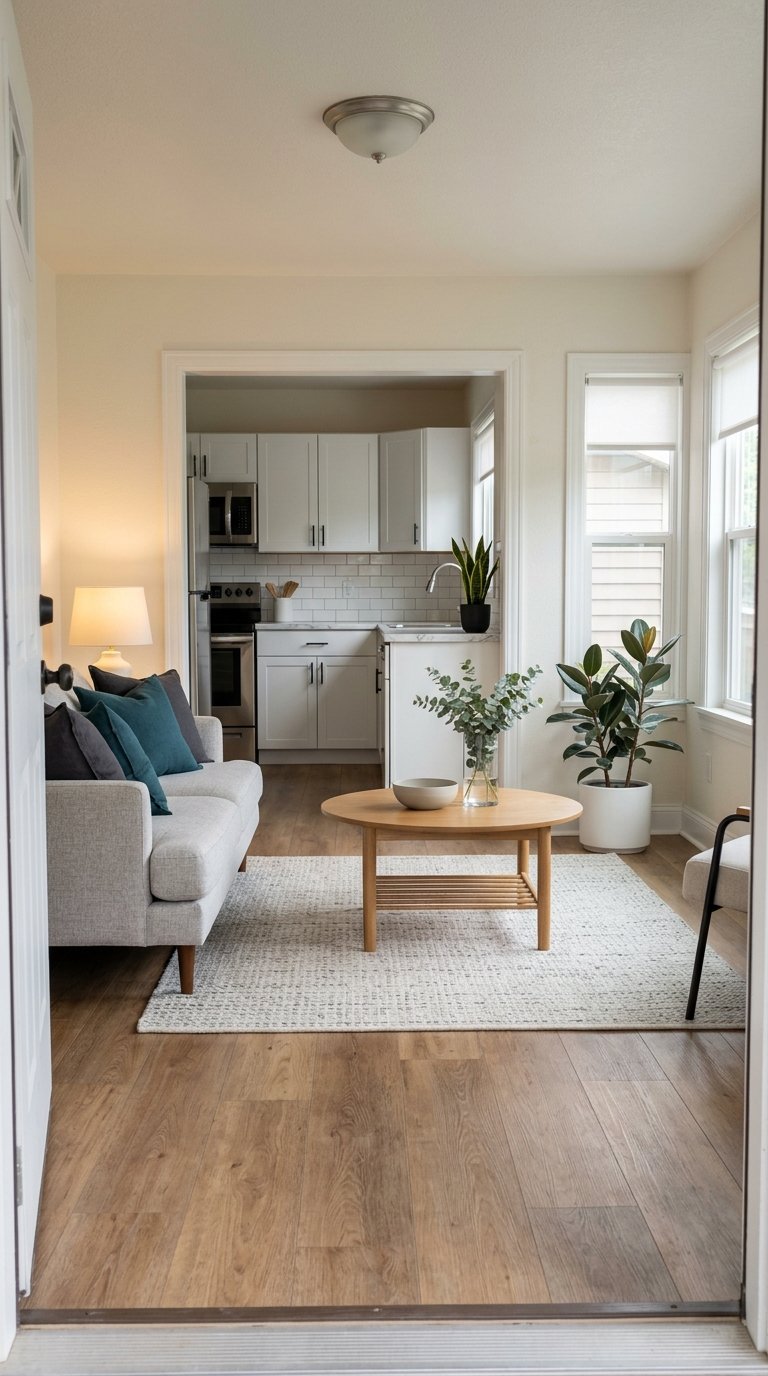
Once the home is safe and working as it should, you can move into the value-add projects many buyers enjoy most. That may include flooring, cabinets, fixtures, appliances, trim, and kitchen or bath refreshes.
This order protects your money. There is no sense installing beautiful finishes if moisture, wiring, or structural issues are still sitting underneath them.
Budget for the house you are really buying
When you compare a fixer-upper to a move-in-ready home, focus on total cost of ownership. The better question is not, “Is this house cheaper?” It is, “What will this house cost me to buy, carry, repair, and finish?”
Your monthly and upfront planning should account for more than the mortgage. It should also include:
- Property taxes
- Homeowners insurance
- Possible flood insurance
- Utilities
- Routine maintenance
- Emergency repair reserves
- Planned renovation costs
A cushion matters because unexpected expenses often show up after closing, especially in older homes. Even a thorough inspection cannot predict every issue hidden behind walls, under floors, or inside aging systems.
Use contingencies to protect yourself
An inspection contingency can give you valuable flexibility as a buyer. It allows you to learn more about the home before moving forward without locking yourself into a bad surprise.
If major issues come up, you may be able to negotiate repairs, ask for concessions, or decide the repair load is more than you want to take on. This can be especially important if the home is being sold as-is, which means the seller is not making guarantees or promising repairs.
For fixer-uppers, this is not about being picky. It is about making sure the project still fits your goals and budget once the real condition is on the table.
Consider renovation financing options
If the right house needs more work than your cash on hand can cover, renovation financing may be worth exploring. Two options referenced in the research are HUD’s 203(k) program and Fannie Mae’s HomeStyle Renovation loan.
These programs can allow buyers to finance the purchase and eligible repairs or improvements through the mortgage. Depending on the property and loan structure, that may help if the home has strong potential but a challenging repair list.
Renovation loans can be helpful, but they also come with their own timelines, approvals, and process requirements. If you are considering one, it helps to build in extra time and ask clear questions early.
A simple fixer-upper checklist for Paden City
Before you move forward on a fixer-upper in Paden City, keep this short checklist in mind:
- Confirm which city and county offices apply to the property
- Review whether your renovation plans may require permits
- Schedule a home inspection and read it closely
- Prioritize roof, drainage, moisture, structure, plumbing, electrical, and HVAC issues
- Check flood exposure and confirm details through local floodplain resources when needed
- Review lead-based paint disclosures for pre-1978 homes
- Budget for repairs, carrying costs, and a reserve for surprises
- Use contingencies carefully so you can make a fully informed decision
The bottom line on buying a fixer-upper
Buying a fixer-upper home in Paden City can be a smart move if you go in with clear eyes and a solid plan. The opportunity is not just about finding a lower price. It is about understanding the home’s condition, local permit and floodplain considerations, lead safety rules when applicable, and the real cost of getting the property where you want it to be.
When you take a step-by-step approach, you give yourself a much better chance of turning a rough property into a home that works for your life and your budget. If you want practical guidance as you compare homes in the Ohio Valley, Tylor Chichick can help you evaluate the numbers, the repair risk, and the next steps with confidence.
FAQs
What should you inspect first in a fixer-upper home in Paden City?
- Start with the big-ticket items: roof, drainage, moisture, foundation, plumbing, electrical, and HVAC condition.
Why does floodplain review matter when buying a fixer-upper in Paden City?
- Floodplain review matters because flood risk can affect renovation priorities, insurance costs, and whether you need additional local verification before moving forward.
Do renovation plans in Paden City always need permits?
- Not always, but projects that go beyond cosmetic updates are more likely to raise permit or review questions under local rules.
What does a home inspection tell you about a Paden City fixer-upper?
- A home inspection describes the home’s visible physical condition and highlights components that may need repair or replacement, but it does not verify code compliance.
What should buyers know about pre-1978 fixer-upper homes in Paden City?
- Buyers should know that lead-based paint disclosure rules apply to most pre-1978 homes, and renovation work must follow lead-safe practices when required.
How should you budget for a fixer-upper home in Paden City?
- Budget for the purchase price plus repairs, insurance, taxes, utilities, maintenance, possible flood insurance, and an emergency reserve for unexpected issues.